

How Advances in Medical Imaging Technology Support Modern Diagnosis
·4 min read
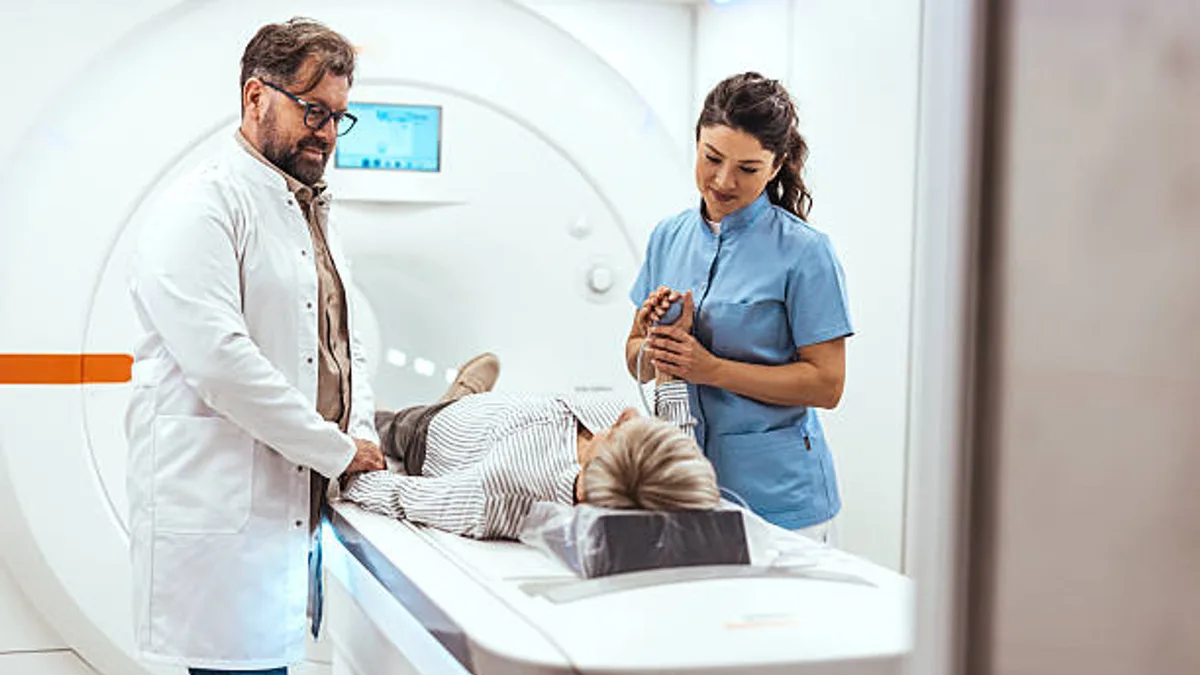
Medical imaging technology continues to evolve in 2026. From dose-reduction techniques to AI-assisted workflows, innovations are shaping how radiologists interpret scans.
Patients searching for “latest radiology technology Melbourne” may wonder what these advances mean in practical terms.
In this article: Learn how advances in CT scanner technology, MRI scanner systems, AI-assisted workflows and secure digital image sharing may support modern diagnostic imaging.
Modern Imaging Technology in Practice
CT Scanner Technology
Modern CT scanners are designed to reduce radiation exposure while maintaining diagnostic image quality. Dose modulation software adjusts output based on patient size and anatomy.
MRI Scanner Systems
Newer MRI scanner systems may help improve patient comfort and image clarity through shorter scan times, improved image resolution and reduced motion artefact.
Lower Dose CT Technology
CT scanner technology continues to improve through dose-reduction techniques, faster image acquisition and software that helps optimise image quality.
Lower dose CT protocols are designed to use the lowest radiation dose reasonably achievable while still producing images suitable for clinical assessment.
Technology focus:
A CT scanner is a medical imaging device that uses X-rays and computer processing to create detailed cross-sectional images of the body.
How Newer MRI Scanner Systems May Help
Newer MRI scanner systems may offer:
- Shorter scan times
- Improved image resolution
- Reduced motion artefact
- Greater patient comfort during selected examinations
These improvements may assist with patient comfort and image clarity.
Technology focus:
An MRI scanner is a medical imaging device that uses magnetic fields and radio waves to create detailed images of internal body structures.
AI in Radiology
Artificial intelligence tools are increasingly used to support radiology workflows. These tools may help highlight areas of potential abnormality, assist workflow prioritisation and support reporting efficiency.
Important:
AI does not replace radiologists. Final interpretation remains the responsibility of qualified specialists.
Where AI May Support Workflow
Highlighting Findings
AI tools may assist by highlighting areas of potential abnormality for review by radiologists.
Prioritising Workflow
AI-assisted systems may help prioritise cases within radiology workflows based on clinical and imaging factors.
Supporting Efficiency
AI may support reporting efficiency while radiologists remain responsible for final interpretation.
Digital Image Sharing
Secure digital platforms allow faster transmission of reports to referring doctors across Melbourne and regional Victoria.
Digital access to images and reports can support more efficient communication between radiology providers and referring healthcare professionals.
Why Technology Matters
Advances in imaging support clearer visualisation of anatomy and may assist clinicians in making informed decisions. However, imaging findings must always be interpreted within the broader clinical context.
Technology supports diagnostic care, but it does not replace the clinical judgement of referring practitioners, radiologists or specialists.
Related Information
For patients and referring practitioners, the following pages provide more information about CT imaging, United Radiology’s clinician-led approach and referral pathways.
Learn more about CT scans, including how CT imaging may be used to create detailed cross-sectional images for clinical assessment.
About United RadiologyLearn more about United Radiology’s clinician-led diagnostic imaging approach and support for patients and referring practitioners.
Referrer InformationView referral options and information for healthcare providers referring patients for diagnostic imaging services.
Modern Diagnostic Imaging Across Melbourne
United Radiology provides diagnostic imaging services across multiple Melbourne clinic locations. Patients should check the relevant clinic page or contact the clinic directly to confirm available services, referral requirements and appointment information.
View our Melbourne clinic locations
About United Radiology Melbourne
United Radiology Melbourne provides medically referred diagnostic imaging services supported by contemporary imaging systems, radiologist reporting and Australian clinical standards.
United Radiology
United Radiology supports patients and referring practitioners across Melbourne with diagnostic imaging services, including CT, MRI, X-ray, ultrasound and related radiology procedures where available by location.
Learn more about United Radiology
Frequently Asked Questions
How do modern CT scanners reduce radiation dose?
Modern CT scanners may use dose modulation and optimised scanning protocols to reduce radiation exposure while maintaining diagnostic image quality.
How can newer MRI scanner systems improve patient comfort?
Newer MRI scanner systems may support shorter scan times, improved image resolution and reduced motion artefact, which can help improve patient comfort during selected examinations.
Does AI replace radiologists?
No. AI may support workflow, highlight potential findings and assist reporting efficiency, but final interpretation remains the responsibility of qualified radiologists.
Why is digital image sharing important?
Secure digital image sharing can help referring doctors access reports and imaging information more efficiently, supporting communication between healthcare providers.
Modern Diagnostic Imaging in Melbourne
United Radiology provides medically referred diagnostic imaging services supported by contemporary imaging systems and Australian clinical standards.