

Women’s Health and Diagnostic Imaging: Understanding Breast and Pelvic Scans
·4 min read
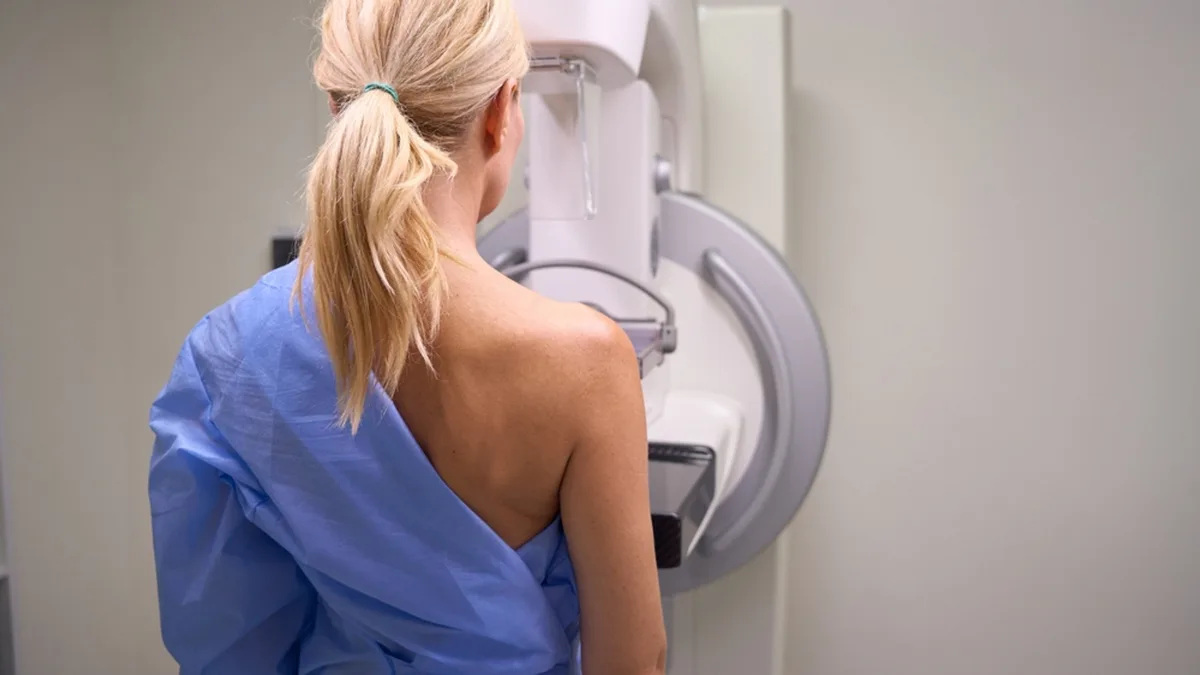
Women’s health concerns can present at different stages of life, and diagnostic imaging plays an important role in supporting medical assessment and clinical decision-making.
In Melbourne and across Australia, general practitioners and specialists may refer patients for breast or pelvic imaging to investigate symptoms, monitor known conditions, or as part of screening programs.
In this article: Learn about common types of women’s health imaging, including mammography and pelvic ultrasound, when breast or pelvic imaging may be recommended, and what patients can expect during their appointment.
Breast Imaging: Mammography, Ultrasound or MRI?
Breast imaging is commonly used to assess symptoms such as a lump, pain, nipple discharge, or skin changes. It may also be used as part of routine screening in eligible age groups.
Mammography
Mammography is a specialised low-dose X-ray procedure used to image breast tissue. It is commonly used in population screening programs and may also be recommended when symptoms are present.
Breast Ultrasound
Ultrasound uses sound waves rather than radiation. It may be recommended to further assess mammography findings, dense breast tissue, or a specific area of concern.
Breast MRI
Breast MRI is typically reserved for specific clinical indications and is performed following referral from a specialist.
The type of imaging requested depends on clinical history, age, symptoms, and GP assessment.
Pelvic Imaging in Women’s Health
Pelvic imaging may be requested to assess a range of women’s health concerns, including:
- Pelvic pain
- Abnormal bleeding
- Ovarian cysts
- Fibroids
- Fertility concerns
Pelvic Ultrasound
Pelvic ultrasound is the most commonly requested examination for many women’s health concerns. It may be performed abdominally using an external probe, or transvaginally using an internal probe for closer assessment.
In some cases, CT or MRI may be recommended for further evaluation.
Important:
Your referring doctor will discuss which imaging approach is appropriate based on your symptoms, clinical history and referral.
What to Expect at Your Appointment
For Mammography and Breast Imaging
- You may be asked to avoid deodorant or talcum powder
- Two radiographic views per breast are typically taken
- Compression is applied briefly to obtain clear images
For Pelvic Ultrasound
- You may be asked to drink water prior to the scan
- The procedure usually takes 20 to 30 minutes
- A radiologist reviews the images and prepares a report
The Role of Imaging in Clinical Care
Diagnostic imaging does not replace a clinical examination. It supports your referring doctor in forming a comprehensive assessment.
At United Radiology Melbourne, imaging services are provided following appropriate medical referral and aligned with Australian clinical standards.
Related Information
For patients and referring practitioners, the following pages provide more information about ultrasound services and referral pathways at United Radiology.
Learn more about general ultrasound, including how it may be used to assess soft tissue, abdominal, pelvic and other clinical concerns.
Referrer InformationView referral options and information for healthcare providers referring patients for diagnostic imaging.
Women’s Health Imaging Across Melbourne
United Radiology provides diagnostic imaging services across multiple Melbourne clinic locations. Patients should check the relevant clinic page or contact the clinic directly to confirm service availability, referral requirements and appointment information.
View our Melbourne clinic locations
Frequently Asked Questions
When is mammography recommended?
Mammography may be recommended as part of eligible screening programs or when symptoms such as a lump, pain, nipple discharge or skin changes require further assessment.
What is pelvic ultrasound used to assess?
Pelvic ultrasound may be used to assess pelvic pain, abnormal bleeding, ovarian cysts, fibroids and other women’s health concerns.
Is breast ultrasound the same as mammography?
No. Mammography uses low-dose X-ray imaging, while breast ultrasound uses sound waves. Your referring doctor will determine which scan is appropriate based on your symptoms and clinical history.
Do I need a referral for women’s health imaging?
Yes. Diagnostic imaging is generally performed following a referral from a GP, specialist or other qualified healthcare provider.
Need Women’s Health Imaging in Melbourne?
United Radiology provides medically referred breast and pelvic imaging services across Melbourne, supporting patients with clear, professional diagnostic imaging.